
Foreword: Testing is the Core Guarantee of Connector Reliability
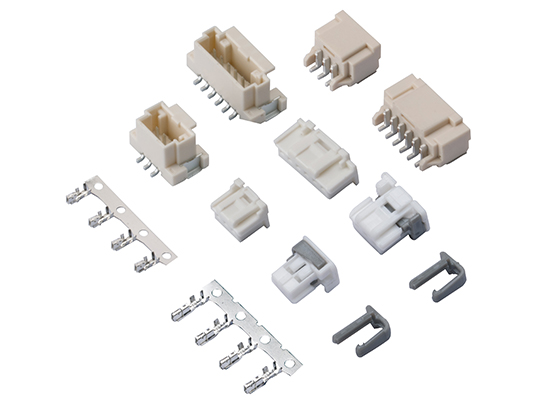
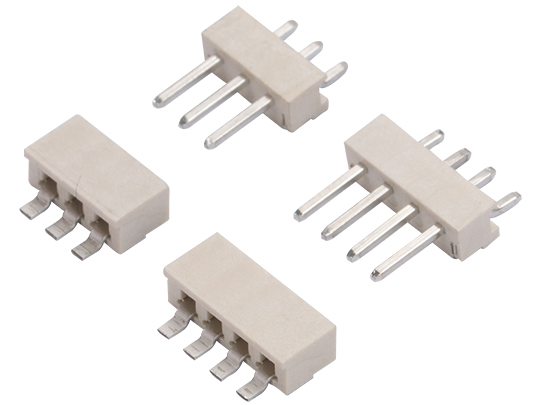
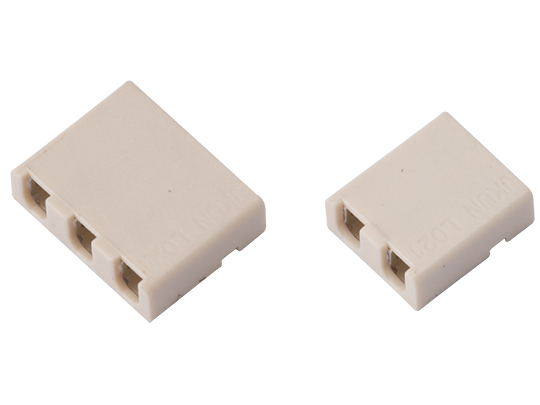
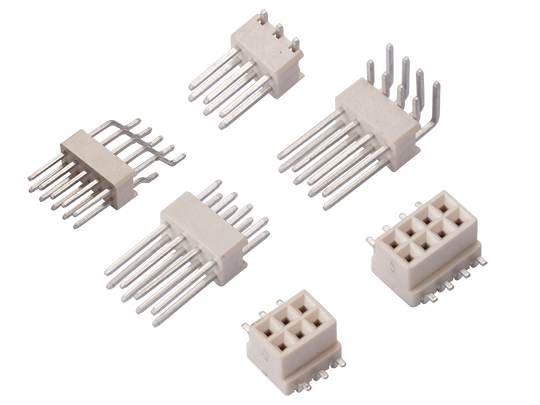
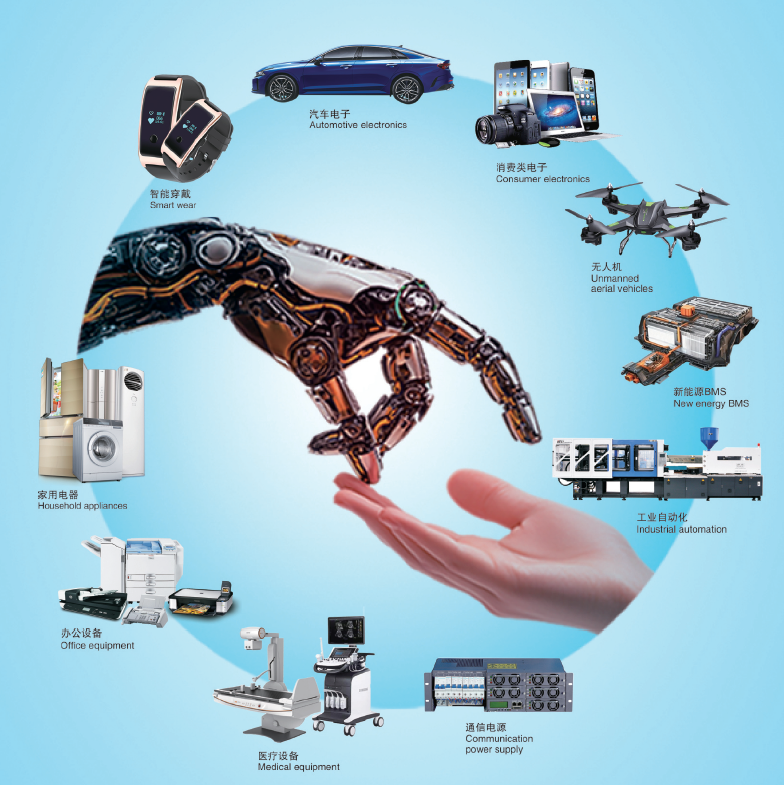
In diverse application scenarios such as consumer electronics, smart homes, and new energy vehicles, electronic connectors and wiring harnesses serve as the "neural and vascular system". Their reliability directly determines the operational safety, performance, and service life of terminal equipment. To ensure that every product can accurately meet the stringent requirements of different scenarios, Wenzhou JKUN Connector Co., Ltd. has established a full-life-cycle product testing system. From appearance details to core performance, from conventional environments to extreme working conditions, we have built a solid defense for product quality through standardized and precise testing procedures. Next, we will take you deep into the core testing methods and strict requirements of JKUN products.
I. Visual Inspection: Dual Verification of Product Appearance and Dimensions
Appearance and dimensions are the prerequisites for connectors to achieve precise assembly and ensure basic performance. JKUN conducts meticulous inspections on all products to eliminate any defects in details.
1.1 Appearance Inspection
Testing Purpose: Identify surface defects of products to avoid impacts on assembly tightness and electrical contact stability caused by appearance issues.
Testing Method: Adopt high-definition visual inspection equipment combined with manual recheck to conduct detailed inspections on key parts such as connector housings, terminals, and pins.
Core Requirements: No cracks, deformation, material shortage, burrs, or stains on the product surface; no oxidation, rust, or plating peeling on terminals; clear and complete markings without blurring or misprinting.
1.2 Dimension Inspection
Testing Purpose: Ensure that product dimensional accuracy complies with design standards and achieve perfect compatibility with customer equipment.
Testing Method: Use precision equipment such as coordinate measuring machines (CMM) and 2D image measuring instruments to conduct comprehensive inspections on key dimensions of connectors, including plug-in interface dimensions, mounting hole positions, and terminal spacing.
Core Requirements: Tolerances of key dimensions are controlled within the specified range, matching customer drawing requirements; the dimensional consistency error of batch products does not exceed the specified limit, avoiding assembly jams or poor contact caused by dimensional deviations.
II. Electrical Performance Testing: Safeguarding Stable Transmission of Energy and Signals
Electrical performance is the core competitiveness of connectors, directly affecting the power transmission efficiency and signal control accuracy of equipment. Tailored to different application scenarios, JKUN has formulated electrical performance testing programs that far exceed industry standards.
2.1 Contact Resistance Test
Testing Purpose: Verify the contact reliability between terminals and between terminals and wires, avoiding problems such as overheating and signal attenuation caused by excessive contact resistance.
Testing Method: Use a micro-ohmmeter to measure the contact resistance value under specified current.
Core Requirements: The product contact resistance is within the specified range, ensuring low loss and low heat generation during high-current transmission.
2.2 Insulation Resistance Test
Testing Purpose: Detect the insulation performance of connector insulating materials to prevent potential safety hazards such as electric leakage and short circuits.
Core Requirements: Insulation resistance complies with standards, ensuring effective current isolation in complex environments such as humidity and high voltage to guarantee usage safety.
2.3 Dielectric Strength Test
Testing Purpose: Verify the electric breakdown resistance of the connector insulation structure to cope with instantaneous high-voltage impacts.
Core Requirements: No breakdown or flashover occurs during the test, and the leakage current is within the specified range, ensuring non-failure in extreme voltage scenarios such as power supply fluctuations and lightning strikes.
2.4 Temperature Rise Test
Testing Purpose: Simulate the heating condition of the product under rated load to verify its thermal stability.
Core Requirements: Connect the matched connector and apply rated current until the temperature stabilizes, then measure the temperature rise. Avoid accelerating material aging and affecting product service life due to excessive heating.

III. Mechanical Performance Testing: Verifying Product Durability and Stability
Connectors need to withstand various mechanical stresses such as plugging/unplugging, stretching, and vibration during assembly, use, and maintenance. Through comprehensive mechanical performance testing, JKUN ensures that products remain stable and reliable throughout their service life.
3.1 Core Tensile and Retention Force Tests
Including terminal tensile strength, terminal retention force, pin retention force, and male/female housing retention force with buckles, the core purpose is to verify the connection firmness of each component and avoid problems such as terminal falling off and pin loosening during use.
Core Requirements: Terminal tensile strength complies with corresponding specifications; terminal and pin retention force remains stable; the retention force of male/female housing buckles maintains stable connection within the limit range, ensuring no loosening in scenarios such as assembly plugging/unplugging and vibration impact.
3.2 Insertion/Extraction Force and Plug-and-Unplug Cycle Tests
Testing Purpose: Verify the consistency of connector plugging/unplugging hand feel and performance stability after long-term plugging/unplugging.
Testing Method: Use an insertion and extraction force tester to simulate plugging/unplugging actions in actual use scenarios, record the insertion force and extraction force of a single plugging/unplugging operation, and conduct continuous plug-and-unplug cycle tests.
Core Requirements: Insertion force and extraction force comply with specified standards with smooth hand feel and no jamming; after the specified number of plug-and-unplug cycles, the contact resistance change rate is within the allowable range, and insulation resistance and dielectric strength performance remain undiminished.
IV. Environmental Performance and Special Requirements Testing: Adapting to Extreme Challenges in All Scenarios
Connectors need to adapt to complex environments in different application scenarios. By simulating extreme working conditions such as high temperature, low temperature, humidity, and salt spray, JKUN ensures that products can work stably in various environments.
4.1 Temperature and Humidity Related Tests
Including temperature cycling, heat resistance, cold resistance, and humidity resistance tests, these tests simulate the service status of products under alternating high/low temperatures, extreme hot/cold conditions, and high humidity environments.
Testing Method: Place the product in a high-low temperature and humidity test chamber, and conduct environmental simulation according to specified procedures (such as temperature cycling, heat resistance, cold resistance, and humidity resistance tests).
Core Requirements: No cracks or deformation occur on the product after testing; electrical and mechanical performance show no significant attenuation, meeting the wide temperature range usage requirements of scenarios such as consumer electronics and new energy vehicles.
4.2 Anti-Environmental Interference Tests
Including vibration resistance, shock resistance, and salt spray tests, these tests target the environmental requirements of special scenarios such as industrial equipment, outdoor equipment, and new energy vehicles.
Testing Method: Vibration test adopts a vibration testing machine to simulate sinusoidal or random vibration; shock test uses an impact testing machine to apply impact with specified acceleration; salt spray test employs a salt spray test chamber to continuously spray salt water of corresponding concentration.
Core Requirements: After vibration and shock tests, the product maintains firm connection and normal electrical performance; after salt spray test for the specified duration, no obvious rust appears on the surface, and the contact performance of terminals does not decline.
4.3 Soldering Related Tests
Including solderability and resistance to soldering heat tests, these tests ensure the reliability of connectors during PCB board soldering or wire soldering processes.
Testing Method: Solderability test adopts the tin immersion method to observe the wetting condition of solder joints; resistance to soldering heat test simulates the actual soldering process by exposing the product to solder at specified temperature for a specified time.
Core Requirements: In the solderability test, the wetting area of solder joints meets the required range; after the resistance to soldering heat test, the product has no deformation or cracking, and insulation performance remains intact.
Conclusion: Establishing Trust Through Standards, Safeguarding Quality Through Rigor
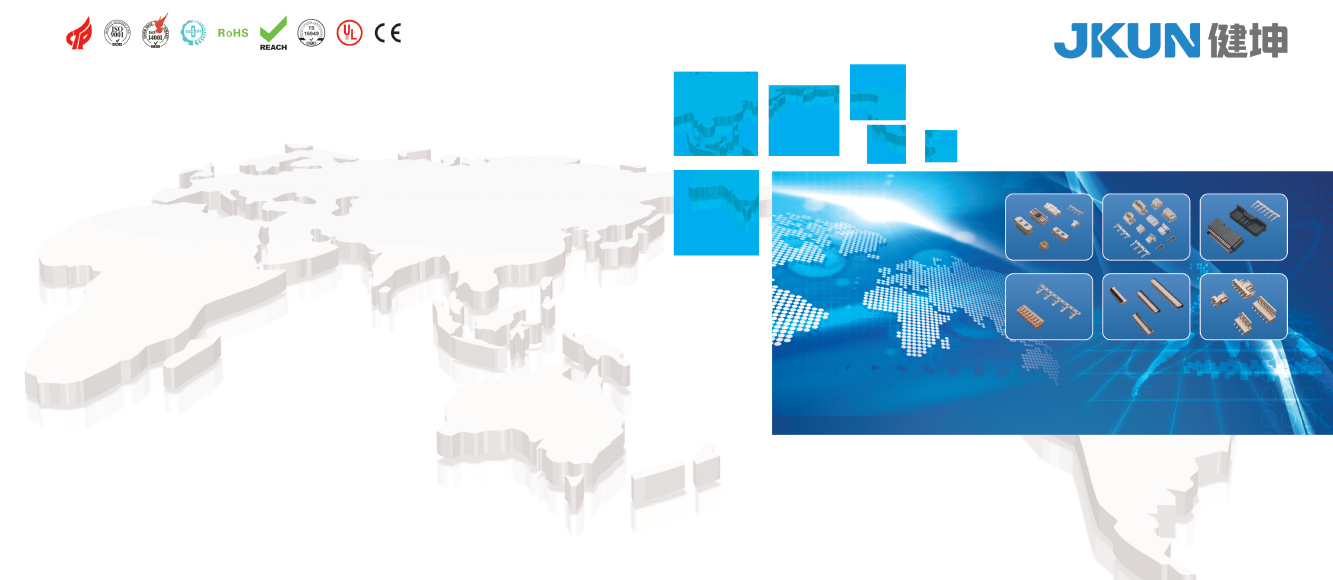
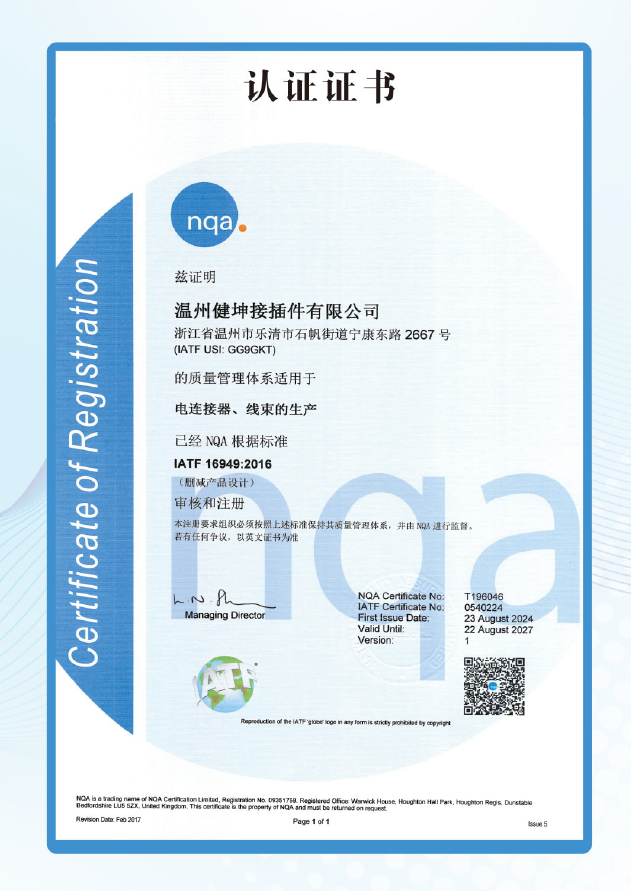
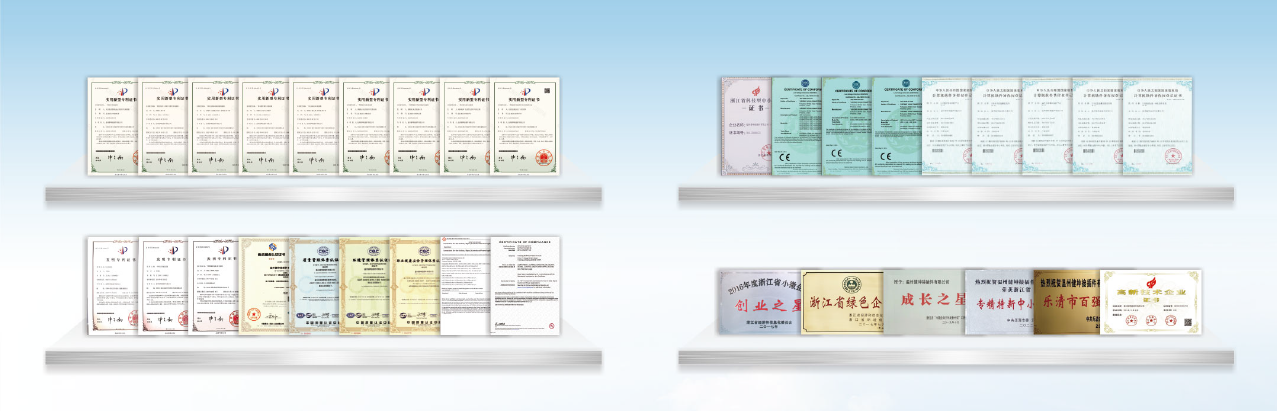
From detailed appearance control to precise electrical performance testing, from durability verification of mechanical performance to comprehensive adaptation to extreme environments, every testing procedure of JKUN stems from the ultimate pursuit of product reliability and a profound understanding of customer needs. Relying on this comprehensive testing system that exceeds industry standards, JKUN products have obtained multiple international authoritative certifications such as UL, CUL, and CE. Widely used in consumer electronics, smart homes, new energy vehicles, and other fields, JKUN has become a trusted precision connectivity partner for global customers.
In the future, JKUN will continue to deepen testing technology innovation, keep up with industry development trends, and continuously optimize testing standards and processes. With more stringent requirements and more accurate testing, we will provide global customers with more reliable and high-quality connectivity solutions.
Products Recommendations:
| Product Category | Part Number | Altemative | Product Image |
| Electronic Connector |
| ||
| |||
| Automotive Connector |
| ||
| |||
| |||
| LED Connector | L010 |
| |
| L021 |
| ||
| L1501 |
|
Tel:+86 577 6238 6809
E-mail:sales@cnjkun.com
MB/What’s app/We chat:
+86 189 0663 9716
Add:No. 2667, Ningkang East Road, Yueqing City, Zhejiang Province, China